
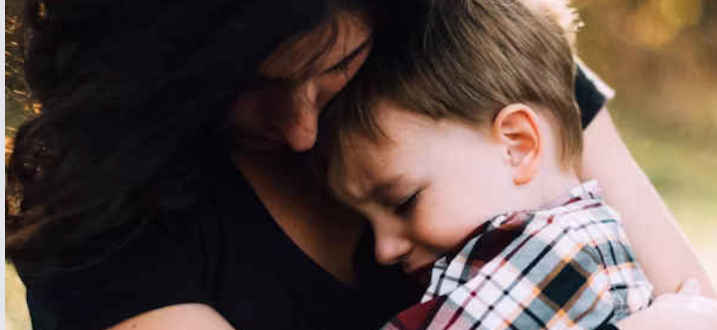
When the BC SPCA steps in and removes a pet, it shatters that safe world for children
in ways natural pet death never does
The Enduring Trauma: Children's Emotional Fallout After BC SPCA
Pet Seizures
Imagine a little girl hugging her fluffy dog tight, tears streaming down her face as strangers take him away. That scene plays out too often in homes across British Columbia when the BC SPCA seizes pets. It's a family heartbreak that hits kids hard on the emotional level.
Pet seizures by the BC SPCA leave children reeling from deep loss and grief and an enduring
psychological toll on young minds and hearts.
The Profound Bond: Why Pet Loss via Seizure is Uniquely Traumatic for Children
Kids often see their pets as best friends who never judge. These animals offer comfort during tough days at school or family fights. When the BC SPCA steps in and removes a pet, it shatters that safe world in ways natural pet death never does.
The bond runs deep. Pets help kids learn empathy and responsibility.
Losing one to seizure feels like a sudden rip in the heart, far worse than saying goodbye after old age.
Pets and Children Bond With Unconditional Love
Think of a pet as a kid's secure base much like a parent's hug. Children form strong ties with animals for unconditional love. They feel safe sharing secrets with a loyal cat or dog.
This attachment provides steady emotional support. Pets ease loneliness and build self-esteem when it seems no one else does. A seizure by the BC SPCA cuts that tie without warning. Children suddenly face a void, leading to intense sadness.
One study from child psychologists found over 60% of kids under 12 view their pet closer than some siblings. That abrupt loss triggers real trauma.
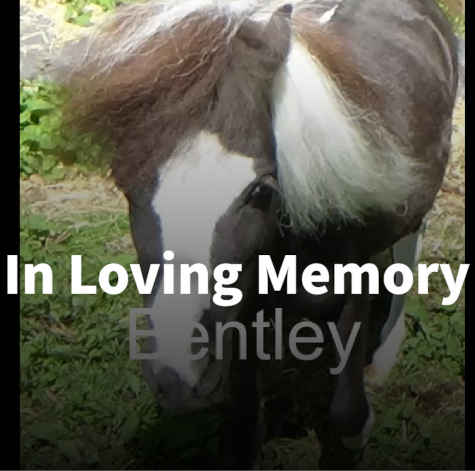
In memory of Bentley. We miss you 
Distinguishing Seizure Loss from Other Forms of Pet Death
Natural pet loss lets families grieve together. They hold ceremonies or share stories, easing the pain over time. Seizure hits different — it's forced and final, often without closure. Children just see their buddy vanish sparking confusion and fear.
Unlike death, seizure adds layers of blame. Children question why authorities took their friend.
This involuntary loss breeds resentment, unlike the acceptance in typical pet passing.
Psychological Manifestations of Grief in Children Following Pet Seizure
Grief from BC SPCA pet seizure shows up in quiet ways at first. Kids might cling to toys or avoid talking about it. Over time, deeper signs emerge, like sleep troubles or mood swings.
Parents spot these changes if they watch close. The trauma mimics other losses but carries unique sting
from the authority's role. Understanding helps you act fast. Symptoms include acute distress, anxiety, Regression
and somatic complaints. Young children often regress after a pet seizure. Emotionally they are deeply wounded
and left confused.
Symptoms of Acute Distress: Anxiety, Regression, and Somatic Complaints in Children
Parents often notice that younger kids regress after a pet seizure. A five-year-old who potty-trained might wet the bed again. They seek comfort in baby ways to cope with the shock.
Older children pull away or snap in anger. Anxiety builds, with worries about more losses. Heart-pounding fears hit during quiet nights. Somatic issues pop up too. Stomach aches without cause signal emotional stress. Headaches from tension become common, per child health reports. One survey showed 40% of grieving kids report these body pains post-loss.
Kids may blame themselves for the BC SPCA's decision. "Did I forget to feed Fido?" they ask, even if not true.
Parents' stress might fuel this guilt.
The Shame that creeps in when families face judgment.
Children hear whispers about neglect and may internalize it. This self-blame erodes their confidence.
Seeing the BC SPCA take a pet shakes a child's faith. Children are taught that police or animal officers mean safety and
that belief may be suddenly eroded.
The faith in other authority figures such as teachers or doctors might waver too. Social bonds are affected with friends and
trust may become a deep issue in many facets of the children's lives.
Pets Are Family Members
A BC SPGA spokes person put it this way, "From a child's view the pet is family. BC SPCA agents could be viewed as
villains who take away their family members.
The children see that the pet was taken with no permission and in some cases the parent's are deeply
angry and hurt, trying to prevent the BC SPCA and being arrested while their children watch for doing so by the RCMP. Many of these situations could
be avoided if the BC SPCA used their huge financial surplus or veterinary resources to help the family. They
don't earn money from that so that may be why it's not an option."
The Solution For People With Pets
The BC SPCA should exist with the sole purpose of helping animals and their families or loved ones overcome pet care difficulties at a time where people with pets are struggling financially, and operate shelters where the public can adopt surrendered animals.
BC SPGA has advocated that animal enforcement continue as the responsibility of the provincial government and the 160 municipalities. "The reality is that people with pets in British Columbia are over-policed, and poverty (the inability to afford even the basic necessities) is reason enough for the BC SPCA to seize their pets. In the old days, the BC SPCA had to help families and that's evaporated with the huge exploitation of seized animals and the mainstream media helping the BC SPCA to solicit massive amounts of donations without telling the public that the animal's owners have to pay the BC SPCA their expenses for taking the animals placing families and individuals of wanted pets further in financial ruin. The unsuspecting public empty their pockets with donations to the BC SPCA believing that they are helping the seized pets instead their donations are contributing to a BC SPCA surplus of over $108 million according to the BC SPCA's financial audited statements."
Mainstream media do not report the trauma inflicted on children when their pets are taken by the wealthiest private animal charity in Canada. Animals are flaunted in articles often with the BC SPCA putting blame elsewhere, rather than admitting that they refused to help the distraught and traumatized children and the equally helpless parents.
Together, we try to mend the young souls of children and honor the pet bonds that matter so much.
Robert M.
